
People Are Only Just Finding Out What SPAM Actually Stands for After 89 Years on Supermarket Shelves
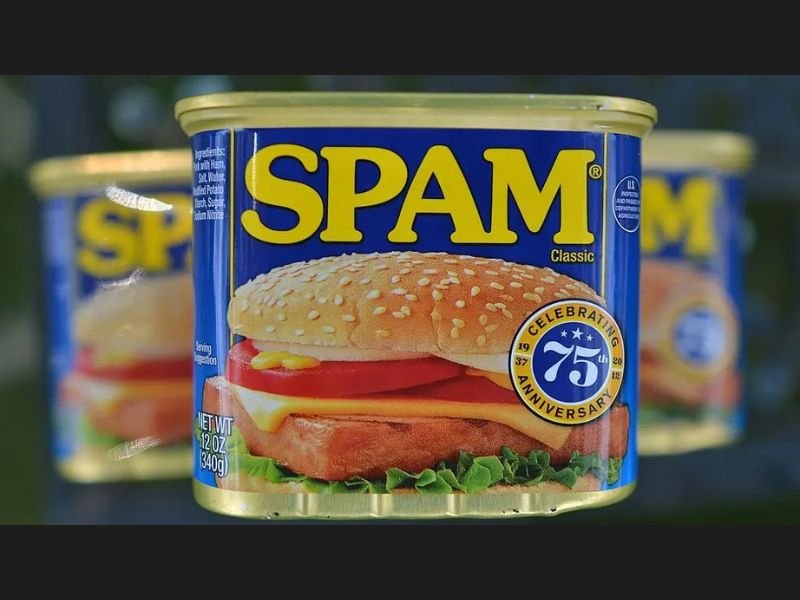
UNITED STATES – It has been sitting in cupboards and on supermarket shelves for nearly nine decades, but millions of people are only just discovering what the name SPAM actually means, and the answer is not quite what most people assumed.
The iconic canned meat product was created by Hormel Foods and first hit shelves in 1937, becoming a wartime staple for soldiers before settling in as a long-term pantry fixture for households around the world. As of 2026, Hormel says it has sold more than nine billion cans globally, making SPAM one of the most recognized food brands in history.
Most People Assumed It Was an Acronym
For years, a widespread assumption has been that SPAM is an acronym built from the first letters of a series of words. Online discussions have produced plenty of creative guesses, including “Shoulder Pork and Meat,” “Salted Pork Aggregated Meat,” and, perhaps less charitably, “Spare Parts of Animal Meat.”
But none of those are correct. It turns out the name is not an acronym at all.
It’s a Portmanteau of “Spiced” and “Ham”
SPAM is actually a portmanteau, a word formed by blending parts of two existing words together, in the same way that breakfast and lunch combine to form brunch, or glamorous and camping become glamping. In SPAM’s case, the most widely accepted explanation is that the name is a blend of “spiced” and “ham.”
The name itself came from a competition. Ken Daigneau, whose brother happened to be a vice president at Hormel Foods, won $100 for suggesting the SPAM name, which the company then adopted.
Even Hormel Has Never Confirmed the Official Meaning
Interestingly, Hormel itself has never definitively confirmed what SPAM stands for, leaning into the mystery rather than resolving it. In an official brand statement, the company acknowledged that the meaning of the SPAM name has long been a subject of speculation, saying the real answer is known only by a small circle of former Hormel Foods executives, before joking that perhaps Nostradamus also knows.
The company did, however, clear up a separate question about what actually goes inside the can. SPAM Classic contains just six ingredients: pork with ham, salt, water, potato starch, sugar, and sodium nitrite.
The word SPAM has since taken on a second life in the modern era as the universal term for unwanted email, a use that traces back to a Monty Python sketch in which the word was repeated so relentlessly it drowned out everything else, a connection that gave junk email its enduring name.
Stay updated for the latest news as this story develops.